Free to readNo accountNo extension

Check before
you buy.

Find product reports and buying guides that explain the trade-offs, the evidence, and what to verify before ordering.

↗ Sources you can follow◷ Dated findings, visible limits≠ Review signals are not a product safety rating

Start with your situation

A better question. A more useful answer.

Buying guides connect product evidence to the way you actually plan to use it.

Moisturizer · Category report

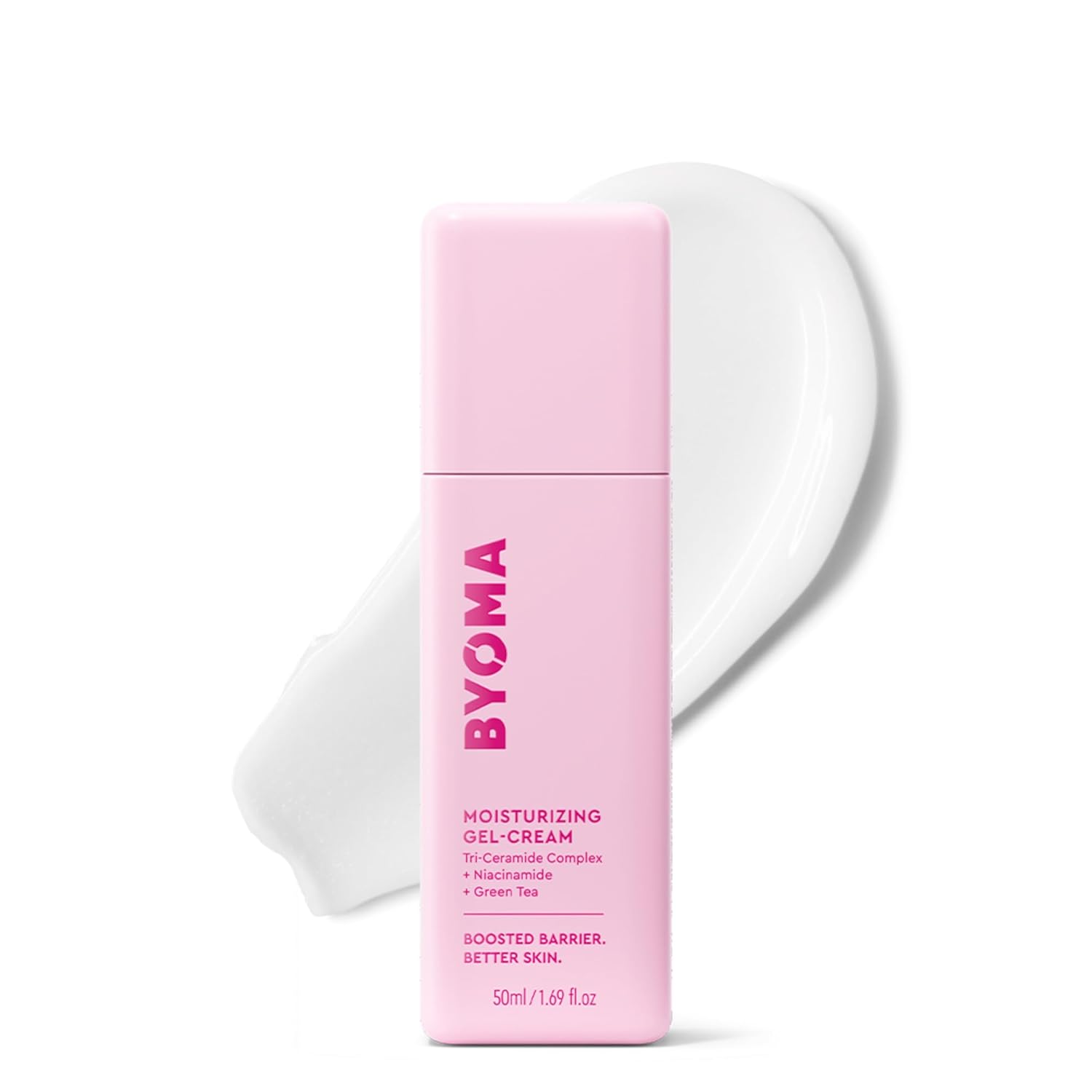
Moisturizer Review Analysis and Buying Guide

Verdicts split cleanly by skin type: lightweight gels suit oily or sensitive skin, while rich creams suit dry or eczema-prone skin.

Read the category report

Review analysis as of
This report is based only on distilled customer review verdicts, not independent lab testing or verification.

Look beyond the star rating

9 products. Different trade-offs.

Selected notes from our moisturizer report—not a best-to-worst list.

These are findings from customer review analysis, not defect rates or proof of product safety. A listing on one Amazon marketplace does not establish availability or after-sales terms in another. See the report’s sources and sampling limits.

More reports to explore

Recently published & updated reports

Discover product findings, the questions they raise, and the evidence behind them.

Browse all product reports

Review findings are not product rankings or defect rates. Check the source dates, product version, and sampling limits in each report.

Sources & sampling limits

What a useful report gives you

Not just a score. Something to act on.

Read our methodology
01 / REPORTED EXPERIENCE

What buyers describe

Strengths, recurring complaints, and reports that may concern a different version. Read them with the sample and its limits—not as a forecast for every buyer.

02 / SUPPORTING EVIDENCE

What a claim rests on

Follow the sources cited in a report. Manufacturer information, public records, and customer reports support different kinds of conclusions.

03 / YOUR NEXT STEP

What to check before ordering

Confirm the exact model, a requirement that matters to you, and the seller’s current return or support terms. Leave unresolved questions open.

Our boundary: Review analysis is not hands-on testing, a safety certification, or proof that an individual review is fake.

A few things to know

Before you start.

Clear answers about coverage, evidence, and what a report can tell you.

Find your product
What does product review analysis tell me?

It identifies experiences and patterns in the reviews analyzed, such as repeated praise, complaints, or mismatched variants. It cannot establish a product’s failure rate, certify safety, or determine whether it is right for every buyer.

Is a report based on today’s reviews?

Not necessarily. Check the analysis date and the product version in the report. Reports reflect the reviews available when they were analyzed; they are not live updates.

What if my product has no report?

A missing report means we do not have a matching answer to show—not that the product is good or bad. Paste the Amazon product link into the search box and you can ask for it to be analyzed, or explore a related buying guide.

Can I use a report from one Amazon marketplace in another?

A review sample from one marketplace may raise useful questions, but it does not confirm another listing’s model, availability, warranty, or return arrangements. Match the exact version and check the local seller’s terms separately.

Does a high Trust Score mean I should buy?

No. A review-credibility score is not a product-quality or safety rating. Use the underlying evidence and limitations alongside your own requirements.

Evidence first. Commission second.

ReviewDetector may earn Amazon affiliate commissions from qualifying purchases through links in its reports. Commissions do not determine the editorial findings.

A conclusion should be open to correction.

Start with a report’s sources and methodology when checking a finding. Missing evidence and mixed variants should stay attached to the conclusion, not disappear behind a score. Read our methodology