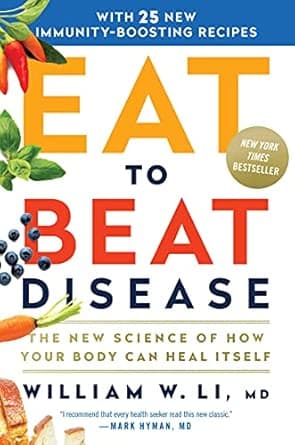
Eat to Beat Disease: The New Science of How Your Body Can Heal Itself
Description
With an average rating of 4.6 from over 8,900 reviews, the book maintains a generally positive user sentiment. However, the system rating of C indicates that the feedback lacks detailed, practical insights and the topics covered are not fully representative of the reading experience. The reviews show limited alignment with their ratings, and the language tone appears somewhat promotional, which reduces overall credibility. While the majority of ratings are favorable, the distribution is skewed and the authenticity of the feedback is questionable, suggesting a cautiously optimistic but not fully reliable satisfaction level.
One less thing to search
Before you buy: quick questions
I’m not a scientist or medical professional. Will I find this book too technical or difficult to understand?
It’s a fair concern, as many readers initially felt the same way. The book does dive deep into the biology of how food interacts with your body’s systems, including some scientific terminology. However, most reviewers found that while the first few chapters require some focus, the core takeaways are clearly summarized in simpler language. If you are curious about the "why" behind nutrition, you’ll be fine—but if you prefer a light read, you might find yourself skimming the clinical trial sections. Many TikTok reviewers recommended reading it with a highlighter to note the practical "Food as Medicine" lists at the end of each chapter.
Does the book provide a specific meal plan or a shopping list of foods to eat?
This is one of the biggest distinctions between this book and standard diet guides. Rather than a rigid weekly menu, it focuses on the *concept* of "5 Defense Systems" and offers comprehensive lists of foods that support each one. You won't find calorie counts or portion-size diagrams, but you will find dozens of specific suggestions—like adding radicchio, green tea, or dark chocolate—into your existing meals. Readers have noted that it’s more of a framework for how to eat every day than a strict "Week 1 plan." If you need strict recipes, you may want to pair this with a separate cookbook.
With a C rating and some mixed reviews, is the science in this book actually credible, or is it just promotional hype?
The medical evidence presented is largely credible; Dr. Li references hundreds of peer-reviewed studies, and the science regarding angiogenesis and the immune system is real. However, the *delivery* is where opinions split. Some readers feel Dr. Li’s writing style leans into self-promotion, which makes the content feel less objective than a pure textbook. We recommend approaching it as "evidence-informed" rather than "evidence-verbatim"—meaning, trust the overall conclusions about eating more plant-based foods, but understand that some specific claims are framed to make the book more compelling. The core advice is solid, but the tone can feel salesy.
I’m a busy parent with limited time. Is this book practical for my lifestyle, or is it more suited for a full-time health enthusiast?
Because the book focuses less on elaborate recipes and more on simply increasing the *frequency* and *variety* of healthy foods, many busy parents found it surprisingly adaptable. You don’t have to cook exotic meals; you just need to incorporate more "anti-angiogenic" foods into your grocery cart. However, if your pain point is convenience, you might be frustrated by the lack of "15-minute meal" suggestions. Most busy readers suggest reading the summary sections and the food lists first, applying those immediately, and then reading the deeper science chapters as time allows. It’s a great reference to keep on the kitchen shelf, but you won’t be able to "meal-prep" directly from its pages.
How is this different from other popular diet books like *How Not to Die* or *The Longevity Diet*?
The main difference lies in the focus and the style. *Eat to Beat Disease* is more narrative and focuses heavily on the specific cellular mechanisms (like the growth of blood vessels and stem cell function) and how food alters them. It feels more like a medical thriller meets a research paper. In contrast, *How Not to Die* is more direct and prescriptive, offering a clear "Daily Dozen" checklist you can track. *The Longevity Diet* focuses on specific fasting windows and protein timing. If you want the *deepest scientific background* on how food influences immune systems, you're in the right place; if you want a quick, actionable checklist, you might prefer the other books. Ultimately, many readers praise *Eat to Beat Disease* for being the most hopeful and comprehensive regarding your body's existing power to heal itself.
From a similar, more-reviewed product in this category: Communicating Skills - Student Workbook, Level 4: Student Edition
What grade or skill level is this workbook actually designed for?
It's aimed at upper-elementary students — roughly grades 4–5 — who need to strengthen writing, vocabulary, and grammar. That said, several parents on Reddit noted it works best as reinforcement rather than a challenge for advanced learners, so if your child is already a strong writer, consider sizing up a level.
Does it come with an answer key for parents or homeschoolers?
Yes, the Student Edition includes an answer key, though a few reviewers mentioned it's fairly brief. If you're homeschooling and want more detailed explanations, you may want to pair it with a teacher's guide or a separate grammar resource.
Is this a complete curriculum or a supplement?
It's best used as a supplement. Teachers consistently describe it as a fun, time-saving add-on to their existing lessons, not a stand-alone program. Many TikTok and YouTube reviewers recommend combining it with a core language arts curriculum for full coverage.
How engaging is it for kids who get bored easily?
Most feedback is positive — buyers call it "fun" and say students look forward to it. A small number of parents did note the exercises can feel repetitive after a while, so mixing in other activities or skipping ahead may help keep momentum.
What if it turns out to be too easy for my child — can I return it?
Return eligibility depends on the retailer's policy, so check before buying. If you're unsure about the level, many reviewers suggest starting with a sample page or previewing the table of contents, since the biggest complaint is that Level 4 feels more like review than a step up.
Answers are limited to the manufacturer's listing and the reviews we analysed. Questions those sources cannot support are not answered here.
Transparent by design