
Poyiccot USB to XLR Auido Amplifier Cable, USB A to Dual XLR Male Audio Cable, PC Type A to Stereo Splitter Power Amplifier Converter Prefossional for Mixer, Laptop, Speaker, etc 3.3ft
Description
【USB A to Dual XLR Audio Cable】Used to convert the USB A interface of mobile phones and computers into XLR Male stereo output, and connect to power amplifiers, active speakers, mixers and other equipment.; 【USB to XLR Audio Cable】XLR with heavy-duty metal shell and a gold-plated plug and Nylon braided strong and sturdy. Plug and Play. It can output pure, low-noise, high-definition audio signals, and uses shielded wires to shield external interference signals. Note: It can only be used for sound output , not sound recording.; 【USB to XLR Splitter Cable】There are two XLR output, the red XLR output port is the right channel, and the Blue is the left channel. The output port can be connected to Mixing consoles, power amplifiers, powered speakers, etc.; 【Compatible】Supports USB Type A port, and it is compatible with the windows PC with a Type-A connector. All it takes is a simple setup on the computer,Simple USB A plug and play connection without additional drivers.; 【Cable length】 1meter/3.3ft of usb a to xlr splitter cable. The XLR terminal can only output audio signals and cannot be used as an input.
Compare the trade-offs
Similar products, side by side
A random selection of analyzed products from the same category. Different products are not necessarily interchangeable.
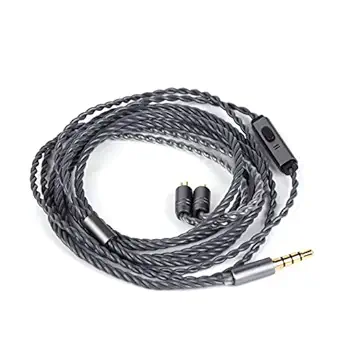
Linsoul Tripowin Grace Detachable Silver-Plated Oxygen Free Copper OFC in Ear Earphone Cable with Microphone for Audiophile Replacement Cable (2Pin)

Tisino XLR to USB C Microphone Cable, Upgraded Hi-Fi Audio Recording Cable USB C Microphone Cable for Dynamic Microphones/Recorder/Laptop/Tablet, 1m/3.3ft
One less thing to search
Before you buy: quick questions
Does this cable actually amplify or boost my audio signal?
No, it does not. This is a passive adapter cable, not an active amplifier. Its primary function is to convert a USB-A connection into two balanced XLR outputs. If your source audio (from your laptop or PC) is too quiet, this cable will not make it louder. Many YouTube reviewers clarify that the term "Amplifier" in the title refers to connecting *to* an amplifier, not that the cable provides amplification.
I get a loud hum/buzz when I connect my laptop. Will this cable fix that?
Unfortunately, it will not. This cable transmits the audio signal directly, including any electrical interference or ground loop noise from your computer. A common complaint in online forums is the persistent 50/60Hz hum. For a noise-free connection, you would need an active device like a USB audio interface or a ground loop isolator.
What is the build quality like, and is it durable for regular use?
The cable offers good value for occasional or fixed installations. The connectors have a metal shell, but some internal components are plastic. Based on social media feedback, it works reliably for light to medium duty (e.g., church presentations, home podcast playback). For heavy touring or daily professional studio use, users often recommend investing in a more rugged, professionally soldered cable or a dedicated interface.
Who is this cable best suited for?
It's perfect for straightforward, plug-and-play scenarios where you need to send audio from a PC or laptop to a device with XLR inputs, like a mixer, powered speaker, or PA system. Happy customers often mention using it for playing background music, PowerPoint audio in meetings, or as a backup connection for DJ software. It's not designed for critical recording, amplifying weak signals, or solving ground loop issues.
Does it output true stereo (Left & Right) or just a duplicated mono signal?
It outputs a true stereo signal. The USB-A connection carries a standard stereo audio signal from your computer, and the cable splits it: typically, the left channel goes to one XLR connector, and the right channel goes to the other. This is confirmed by users on Reddit who have tested it with stereo audio files. Just ensure your playback software and system sound settings are configured for stereo output.
From a similar, more-reviewed product in this category: New Bee Guitar Cable 10ft Electric Instrument Bass AMP Cord
Will the right-angle connector fit my guitar, especially a Strat or Tele?
In most cases, yes — the L-shaped 1/4" jack is designed to seat securely in standard instrument, pedal, and amp inputs, and it's a favorite among stage players for staying out of the way. That said, a few Strat owners with deeply recessed jack plates report the connector housing can bump the body before fully clicking in. If your guitar has a flush or recessed input, double-check clearance or consider a straight-to-straight cable.
Is this cable really low-noise, or will I get hum with pedals and high-gain amps?
The 22AWG oxygen-free copper core plus double-shielded, PVC-insulated construction is built to reject interference, and the vast majority of users report clean, quiet signal — even through pedalboards. A small number of high-gain players have mentioned picking up hum in very demanding setups, so if you're running heavy distortion, it's worth testing early. For typical home, practice, and moderate-stage use, noise is rarely an issue.
How durable is it for regular gigging versus bedroom practice?
Here's the honest breakdown: for practice, home recording, and occasional jams, users consistently call it a fantastic value that holds up well. For heavy touring and nightly coiling, a vocal minority report connector-joint wear over time — a common trade-off at this price point. Many gigging players treat it as an affordable backup or secondary cable, while bedroom and hobbyist players tend to get long, trouble-free use.
What if it stops working — is there a warranty or easy return?
New Bee backs the cable with 24-hour customer service and a responsive support team, and the cable is designed to be easily disassembled for quick incidental repairs — a feature DIY-minded users really appreciate. Return and refund eligibility follows the retailer's standard policy, so check the listing at purchase. If you hit a defect, reaching out to the seller directly is the fastest route; reviewers frequently note prompt, helpful responses.
Who is this cable best suited for, and is it worth it compared to pricier brands?
It's ideal for beginners, bedroom and home-studio players, bassists, keyboardists, parents buying for young musicians, and anyone building a pedalboard on a budget — essentially, players who want reliable, quiet performance without paying premium prices. If you're a touring pro or a high-gain player chasing absolute road-toughness, a heavier-duty name brand may suit you better. For everyone else, the consensus across thousands of reviews is clear: at this price, it's one of the best-value instrument cables you can buy.
Answers are limited to the manufacturer's listing and the reviews we analysed. Questions those sources cannot support are not answered here.
Transparent by design