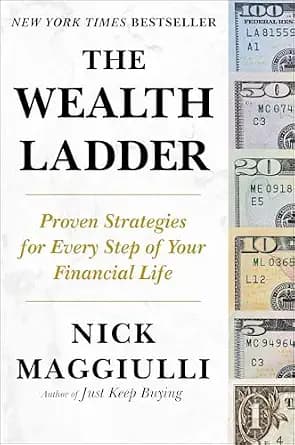
The Wealth Ladder: Proven Strategies for Every Step of Your Financial Life
Description
Based on over 800 reviews and a high system rating, user sentiment for this book is overwhelmingly positive, with readers praising its practical, data-driven advice and clear framework for building wealth. The feedback is detailed, aligns closely with the high ratings, and covers a balanced range of topics from mindset to actionable steps. The language in reviews appears authentic and grounded, reinforcing the credibility of the overwhelmingly favorable reception.
Compare the trade-offs
Similar products, side by side
A random selection of analyzed products from the same category. Different products are not necessarily interchangeable.


One less thing to search
Before you buy: quick questions
I’ve read other finance books like *Rich Dad Poor Dad*. How is *The Wealth Ladder* different?
Great question! While many books focus on a single big idea or mindset shift, *The Wealth Ladder* is praised for being a comprehensive, step-by-step operating system. Readers on Reddit often highlight its data-driven, actionable checklist approach—it doesn't just tell you to "invest" but provides a clear sequence for tackling debt, building safety nets, and investing based on your specific life stage. Think of it as the practical playbook to implement broader philosophies.
Is this book suitable for someone starting with a lot of debt, or is it only for investing?
Absolutely suitable. In fact, addressing debt is a foundational "rung" on the ladder. The strategy begins with assessing your full financial picture and creating a proven plan to eliminate debt efficiently before moving to wealth-building steps. Many reviewer testimonials specifically credit the book's clear debt-payoff framework for helping them gain control and see a path forward.
I'm not a beginner; I already have investments. Will I still find value in this book?
This is a common point in reviews. The early chapters establish a strong foundation that some experienced readers find basic. However, the core value for you would likely be in the later-stage "rungs" covering advanced investment allocation, tax efficiency, and legacy planning. It's excellent for ensuring no part of your financial life is overlooked and for building a cohesive strategy. If you're looking *only* for advanced stock analysis, it may not meet that specific need.
How practical is the advice for readers outside the United States?
The core principles—the mindset, the debt-payoff sequencing, the savings habits—are universally applicable. However, as noted in some international reviews, specific vehicles like 401(k)s or Roth IRAs are U.S.-centric. The book excels at teaching you *what questions to ask* and *what type of account to look for* in your country (e.g., tax-advantaged retirement accounts), but you may need to map the concepts to your local financial products.
Does the book give specific stock or crypto recommendations?
No, it does not. *The Wealth Ladder* focuses on building a resilient financial system and making informed decisions, not on providing hot tips. It teaches you *how* to choose investment vehicles (like index funds or ETFs) based on your goals and risk tolerance, which many users praise as more responsible and sustainable. If you're seeking a guide to picking individual stocks or timing the crypto market, this isn't that book.
From a similar, more-reviewed product in this category: $100M Offers: How to Make Offers So Good People Feel Stupid Saying No
Is this book easy to read and understand?
Reviewers describe it as an easy read that is written incredibly well and in understandable language, while still being insightful and impactful.
Is the book practical and actionable?
Reviewers say it provides tactical, easy-to-implement concepts and practical steps from the very first chapter, with no fluff.
Who is this book for?
Reviewers recommend it for new entrepreneurs, anyone trying to sell at scale, and people who struggle with sales or marketing.
What is the book about?
The listing states it shows how to charge more, make your product so good prospects find a way to pay for it, and enhance your offer so prospects buy without hesitating.
Is an audiobook version available?
Yes, the listing shows an unabridged audiobook edition, narrated by Alexander Hormozi, with a listening length of 3 hours and 49 minutes.
Answers are limited to the manufacturer's listing and the reviews we analysed. Questions those sources cannot support are not answered here.
Transparent by design