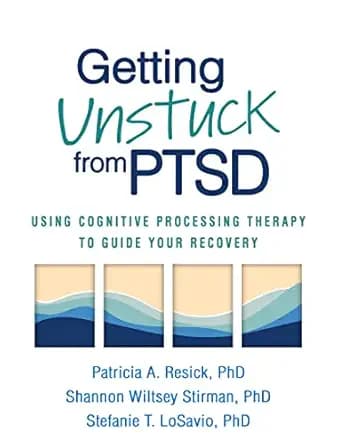
Getting Unstuck from PTSD: Using Cognitive Processing Therapy to Guide Your Recovery
Beschreibung
Based on an average rating of 4.8 from 150 reviews, user sentiment for this recovery guide appears overwhelmingly positive. The system evaluation suggests credible and balanced feedback regarding its performance and content. This indicates a reliable level of user satisfaction with the product's intended use.
Eine Sache weniger zu suchen
Vor dem Kauf: kurze Fragen
Can I use this book effectively without currently seeing a therapist?
While the book is designed to be a self-guided program based on evidence-based Cognitive Processing Therapy (CPT), many users on mental health forums emphasize that it works best as a complement to professional care. It's highly effective for motivated individuals ready to engage deeply with the exercises. However, if your symptoms are severe or you feel easily overwhelmed, starting this workbook alongside a therapist's support—or even discussing it with one first—is a common and recommended approach.
How is this different from other PTSD or self-help workbooks?
This guide is specifically a manualized workbook for Cognitive Processing Therapy (CPT), a first-line, evidence-based treatment for PTSD recognized by major health organizations. Unlike more general mindfulness or symptom management books, it provides a structured, step-by-step protocol focused on identifying and challenging the specific "stuck points" in thinking that maintain trauma symptoms. Users often praise its clear, clinical framework for creating tangible cognitive shifts.
I've heard it's "hard work." What does the daily or weekly commitment look like?
You're right to ask—honest reviewers often stress that this is an active practice, not a passive read. The program is structured into modules with written exercises. A typical commitment might involve dedicating 30-60 minutes, 4-5 days a week, to complete the readings and exercises thoroughly. Progress depends on your own pace, but consistency is key. Think of it less like reading a novel and more like taking a course in understanding your own recovery.
What if I start the exercises and feel too overwhelmed or stuck to continue?
This is a very common concern, and the book itself encourages you to go at your own pace. If you hit a wall, it's perfectly okay to pause, revisit earlier chapters, or break exercises into smaller steps. Many TikTok and Reddit users in the mental health community suggest using the book to identify *what* is overwhelming you and then bringing those specific points to a trusted friend, support group, or therapist. The book is a tool, and it's okay to seek help in using it.
Who is this book NOT a good fit for?
Based on user feedback, this workbook may not be the ideal starting point if you are in an acute crisis, lack a stable support system, or struggle significantly with self-motivation due to severe depression. It's also not a narrative memoir. If you are seeking immediate crisis intervention, a more general introductory book on trauma, or are unable to commit to regular written work, you might explore those alternatives first or seek a therapist to help you build a foundation for this kind of structured work.
Von einem ähnlichen Produkt mit mehr Bewertungen in dieser Kategorie: The Ultimate Shadow Work Journal & Workbook - 2 Books in 1: A Comprehensive Collection of Exercises, Prompts, and Affirmations for Profound ... , and Personal Growth (Heal, Grow, & Thrive)
Do I need to be in therapy to use this journal safely?
Not necessarily — many users work through it solo and find it manageable. That said, a number of reviewers (and several therapists on TikTok) suggest it works best *alongside* therapy, since some prompts can surface heavy emotions. If you're navigating active trauma, consider looping in a professional.
Is this journal religious or spiritual? Will it fit my beliefs?
It leans gently spiritual — think affirmations and inner-child language rather than any specific religion. Most secular readers are fine with it, but a few reviewers noted it wasn't their vibe. If you prefer a strictly clinical tone, this may not be the perfect match.
How is the 2-in-1 format structured — where do I start?
Book 1 lays the foundation with lighter prompts and reflection exercises; Book 2 goes deeper into core wounds and patterns. Most people read Book 1 straight through first. If it feels like a lot, that's normal — many users treat it as a months-long practice, not a weekend read.
Is it worth the price compared to free prompts online?
Fair question — plenty of free shadow work lists exist. What buyers consistently mention is the *structure*: the sequencing, affirmations, and workbook format make it easier to stay consistent. If you've bounced off scattered Pinterest prompts before, this tends to stick better.
What if it's not for me — can I return it?
Return eligibility depends on where you purchased it, so check the seller's policy before buying. That said, satisfaction runs high — 4.7 stars across 200+ reviews — and most complaints center on fit (spiritual tone, emotional intensity) rather than quality. If you're on the fence, start with a few sample prompts online to gauge your comfort level.
Die Antworten beschränken sich auf das Angebot des Herstellers und die von uns analysierten Rezensionen. Fragen, die diese Quellen nicht abdecken, werden hier nicht beantwortet.
Transparent von Grund auf